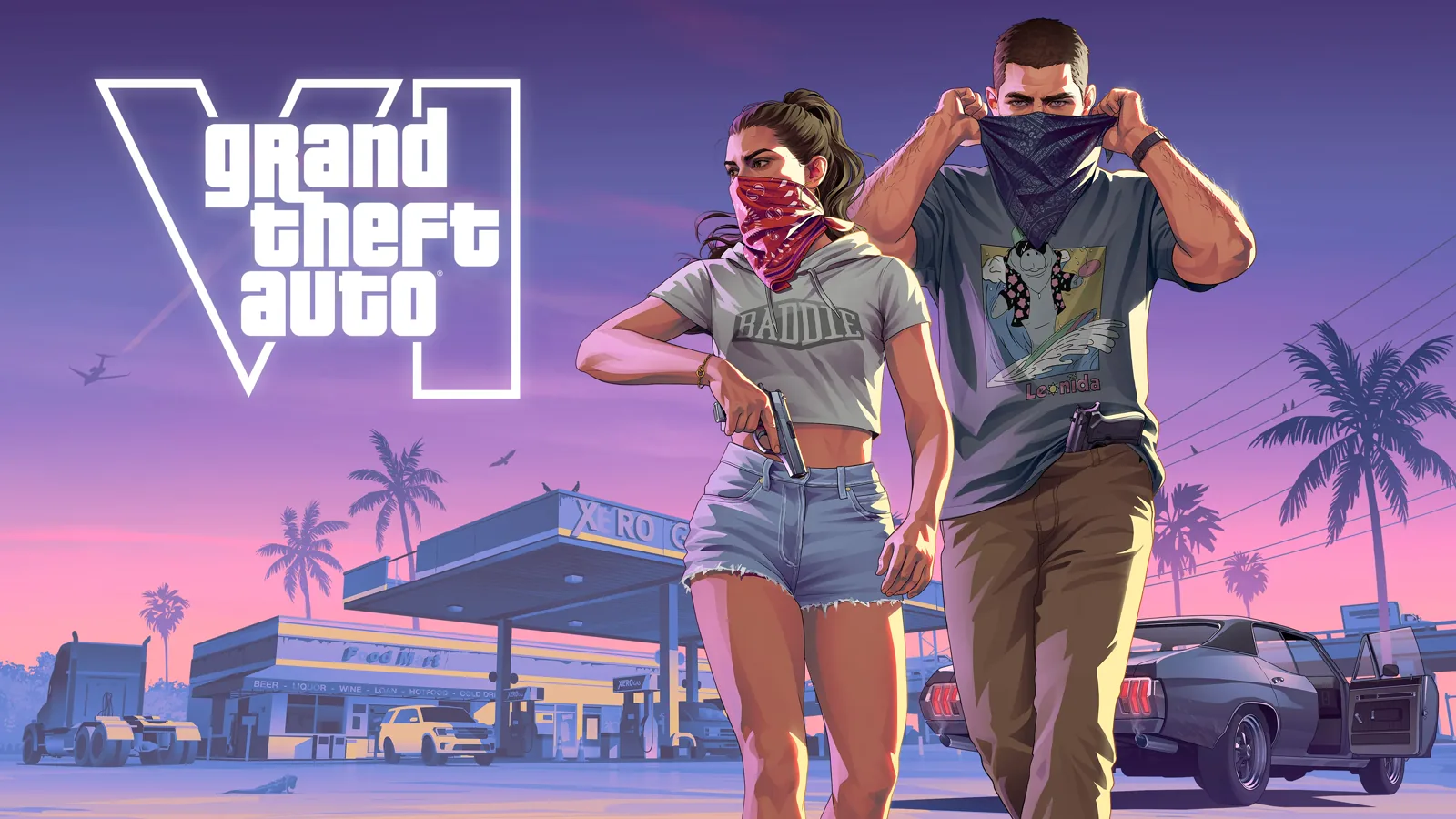
GTA 6 landmarks as roleplay locations
A landmark is a photo opportunity in a single-player game and a venue in a roleplay one. Here is how the known regions of Leonida translate into places where characters meet, trade and hide.
The regions we know
GTA 6 is set in the state of Leonida, and Rockstar has named six areas so far:
- Vice City — the metropolis at the centre of the state, neon, nightlife and money.
- Leonida Keys — the island chain, bridges, water and small-town isolation.
- Port Gellhorn — an industrial and port area.
- Ambrosia — a smaller settlement inland.
- Grassrivers — wetlands and rural country.
- Mount Kalaga National Park — protected wilderness.
That is a city, an archipelago, a port, a rural town, wetlands and a park — which is a much better roleplay map than a single city would be.
Vice City: where the roleplay concentrates
Expect the same gravity every GTA city has. Downtown for business and offices, the beach and nightlife strip for clubs and tourist money, and the industrial edges for the work nobody wants on camera. Typical uses:
- Business. Clubs, dealerships, cafés, garages and tattoo studios — the storefront roles a new player can actually staff.
- Meetings. A neutral bar is where a deal gets made, and where it goes wrong.
- Emergency services. A dense city means frequent calls, which means police and medical roleplay is busy rather than idle.
Leonida Keys: isolation as a plot device
Islands are narratively useful because you cannot simply drive away. The Keys suit smuggling, meetings that cannot be overheard, fishing, small marinas and characters who are hiding from something. Bad for a character who needs a crowd; excellent for one who needs privacy.
Port Gellhorn: the working side
Ports generate the jobs that a crime story needs in order to have something to steal, transport or inspect. Expect container yards, customs and loading work — and expect the legal and illegal halves of the economy to compete over the same space. A good place for a trucker, a dockworker, a smuggler or a customs officer.
Ambrosia and Grassrivers: the quiet interior
A small inland town is where a character can own a house, a workshop and a reputation without competing with a hundred other players. Grassrivers adds wetlands — hunting and fishing territory, and the kind of terrain that makes a pursuit interesting. Remote does not mean empty: on a roleplay server, remote places are where the plot goes when the city gets too crowded.
Mount Kalaga National Park: rules outside the city
A national park is the one region where the normal logic of a GTA map inverts. Park rangers, poaching, rescues, hikers in trouble and no police presence unless someone calls them in. It gives a server a law role that is not the police and a wilderness economy — see animals and hunting for the jobs that come with it.
How to use a landmark properly
- Know the drive. Distance is roleplay: a meeting two regions away is a commitment, and a character who always arrives from Vice City should have a reason.
- Give the place a purpose. "We met at a landmark" is weaker than "we met at this pier because his boat is moored here".
- Respect what the location implies. A ranger station and a nightclub impose different behaviour, and noticing that is what makes a scene believable.
- Do not camp the famous spots. Every server has a handful of places where new players stand around. Learn them, then build somewhere of your own.
What is not known
The final game may name more regions, and street-level detail — which district holds the dealerships, where the stations are — will not be clear until release on November 19, 2026. Meanwhile, see the map of Leonida for how the regions relate to one another, and the guides hub if you are new to roleplay entirely.
Choosing a location for the scene you want
Different venues produce different roleplay. Matching the place to the scene is most of the work:
- A deal you want to go wrong. Somewhere public with one exit and a crowd — a bar, a pier, a market. Privacy is a promise you can break.
- A first meeting with a stranger. Somewhere with a reason to be there: a garage, a job site, a shop counter. Shared context gives you something to talk about that is not your backstory.
- A conversation nobody should hear. The Keys, a warehouse, a parked car on a rural road. Distance is the cost, and paying it is part of the scene.
- Establishing that you are poor or rich. Addresses and neighbourhoods do this faster than dialogue ever will.
- A chase. Somewhere with terrain — wetlands, park trails, the port at night — rather than a straight boulevard.
Reading a region like a local
Characters who live somewhere know things visitors do not. Use that:
- Know what the area does for a living. A port town talks about shifts and cargo; a resort talks about season and tips; a rural town talks about weather and fuel prices.
- Know the shortcuts. Being able to say "take the service road" is characterisation, and it makes you useful to other players.
- Know what is closed at night. A character who knows which garage is still open at 3 a.m. has been there at 3 a.m.
- Know who runs it. In character, the answer should be a person, not a rule.
Etiquette around shared landmarks
- Do not claim a public location as your own without a server mechanic that grants it. "This is my bar" means nothing without a lease.
- If a scene is clearly in progress, do not walk into it and reset the tone. Walk past, or ask in character whether you can join.
- Leave the scene how you found it. Persistent worlds remember.
- If you need a location for a big event, book it out of character first — most servers have a process for this, and using it is respected.