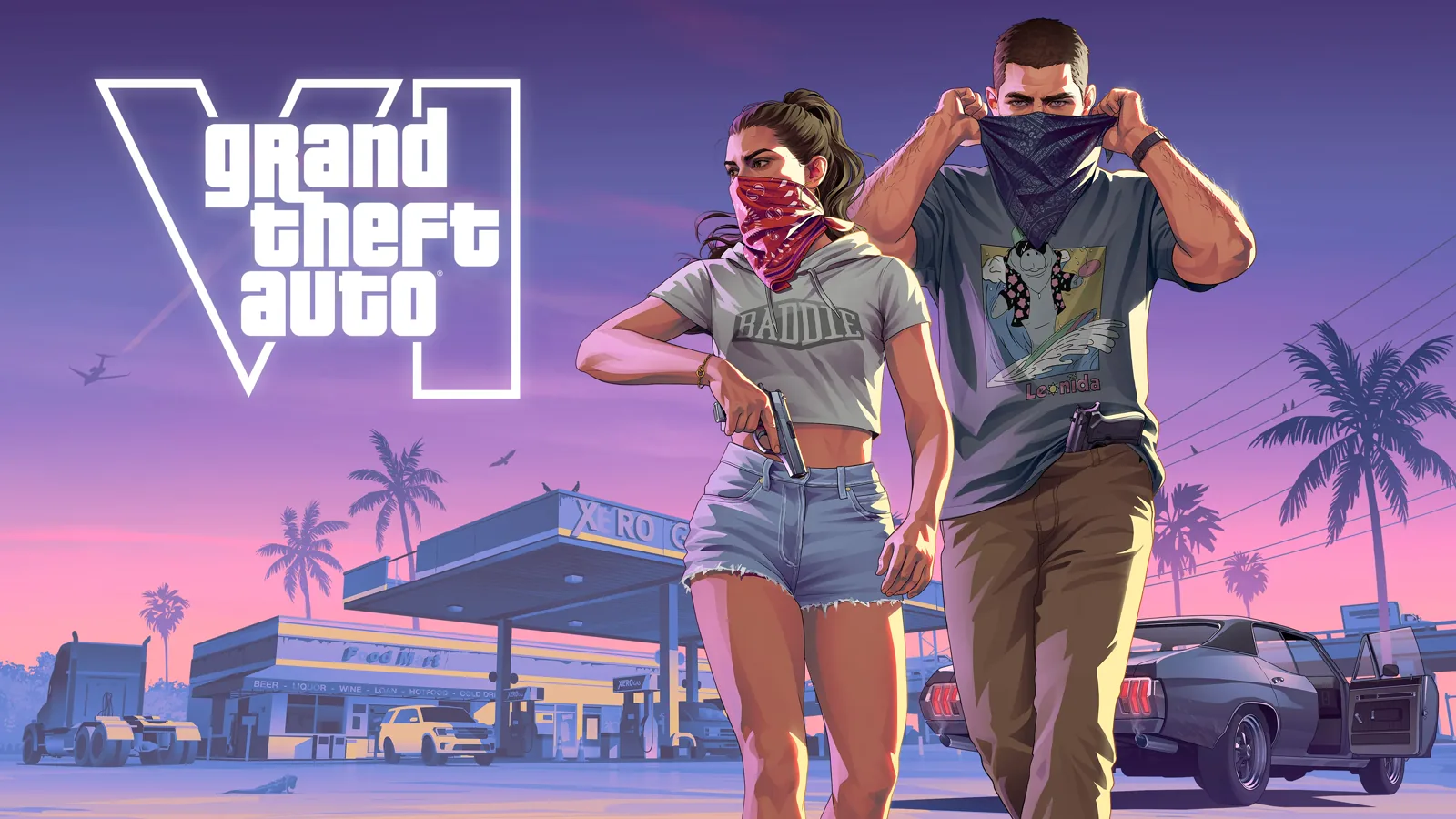
GTA 6 soundtrack and radio in roleplay
Radio is one of the most recognisable parts of a GTA game, and it is also one of the few that roleplayers genuinely use as a tool rather than a backdrop. Here is what is confirmed, what is not, and how music fits into roleplay in practice.
What is confirmed
Very little, honestly. GTA 6 releases on November 19, 2026 on PlayStation 5 and Xbox Series X|S. The game is set in the state of Leonida, with Vice City as its centre, so a soundtrack built around the region's music is the reasonable expectation — but Rockstar has not published a station list or a track list.
Every "confirmed GTA 6 soundtrack" list circulating online is reconstructed from trailers, leaks and guesses. Some tracks have been identified in official trailers; that is not the same as a station lineup.
How radio has always worked in GTA
Since GTA III the pattern has been stable: a set of fictional radio stations, each with its own genre, host and advertising, plus a talk station that comments on the game's world. Music is licensed, which is why soundtracks change between re-releases and why some tracks disappear from later versions.
For a roleplayer this matters for one practical reason: the radio is part of the world you are pretending to live in. Characters have taste, and taste is characterisation.
Music inside roleplay
- Clubs and venues. Nightclubs, bars and strip clubs are player-run businesses on most servers. Music is part of the product, and DJ or promoter is a real role with real shifts.
- Cars. The car you drive, the radio station you leave it on and the volume are small signals that other players read. A character who drives a beaten sedan with a talk station on is a different person from one in a neon sports car with dance music.
- Businesses with atmosphere. Garages, diners and barbershops use music to mark what kind of place they are.
- Events. Server-organised concerts, races and street meets are built on music, and organisers often build the evening's story around a set list.
The streaming problem
This is the practical trap most new roleplayers hit. Licensed music in a game is not licensed for your stream. If you broadcast a roleplay session with in-game radio audible, the copyright claim is on you, not on the server or on Rockstar.
- Most established servers mute in-game music for everyone, or ask players to do it.
- Where music is part of the roleplay, communities use royalty-free tracks or their own licensed catalogue.
- If you stream, check the server's rules on audio before your first session — it is a common reason for muted VODs and strikes.
How to prepare now
You do not need a station list to build a character with musical taste. Decide what your character listens to and why — that is the part other players interact with, and it works on any server, on any game.
Start with the basics of roleplay and the glossary, then look at factions if you are aiming at running a venue rather than just visiting one.
What is not known
The station list, the licensed tracks, the composers and whether there will be a separate score release are all unannounced. We will not invent a track list to fill this page.
Building a character through musical taste
Music is one of the cheapest ways to make a character legible, because other players can see and hear it without being told anything out of character. Answer these questions for your character before your first session:
- What do they listen to when nobody is watching? The station a character leaves on when alone tells you more about them than the one they play at a party.
- What did they listen to ten years ago? Taste has a history. A character who is out of step with current music reads as older or as deliberately detached.
- Is music their work or their escape? A DJ, a promoter, a mechanic with the radio on all shift and a driver who never touches the dial are four different people.
- What would they refuse to play? Refusal is characterisation, and it costs nothing to establish.
None of this requires knowing the GTA 6 station list. It works on any server, in any city, in any game.
Music as a roleplay venue economy
Where music stops being background and starts being business:
- Booking. A venue needs acts, and acts need someone to negotiate fees, sets and set times. That is a role, and it generates conflict, which is content.
- Door and capacity. Paid entry creates a figure to argue about — door takings, guest lists, who gets in and who does not.
- Reputation. A venue known for its music attracts a different crowd than one known for its fights. Both are viable; they are just different stories.
- Rivalry. Two clubs on the same street with different sounds is one of the most reliable long-running plots a server can have, and it needs no developer support at all.
Staying out of trouble while streaming
- Assume every licensed track is claimed. It usually is.
- Turn in-game music off at the source — game settings, not your capture software — before you start recording.
- If music has to be part of the broadcast, use tracks you have the right to use, and keep a note of the licence.
- Do not rely on "the stream was small" as protection; claims are automated and retrospective.
- Check whether the server itself runs a licensed or royalty-free catalogue, and follow its audio rules rather than your own instincts.