The map of Leonida
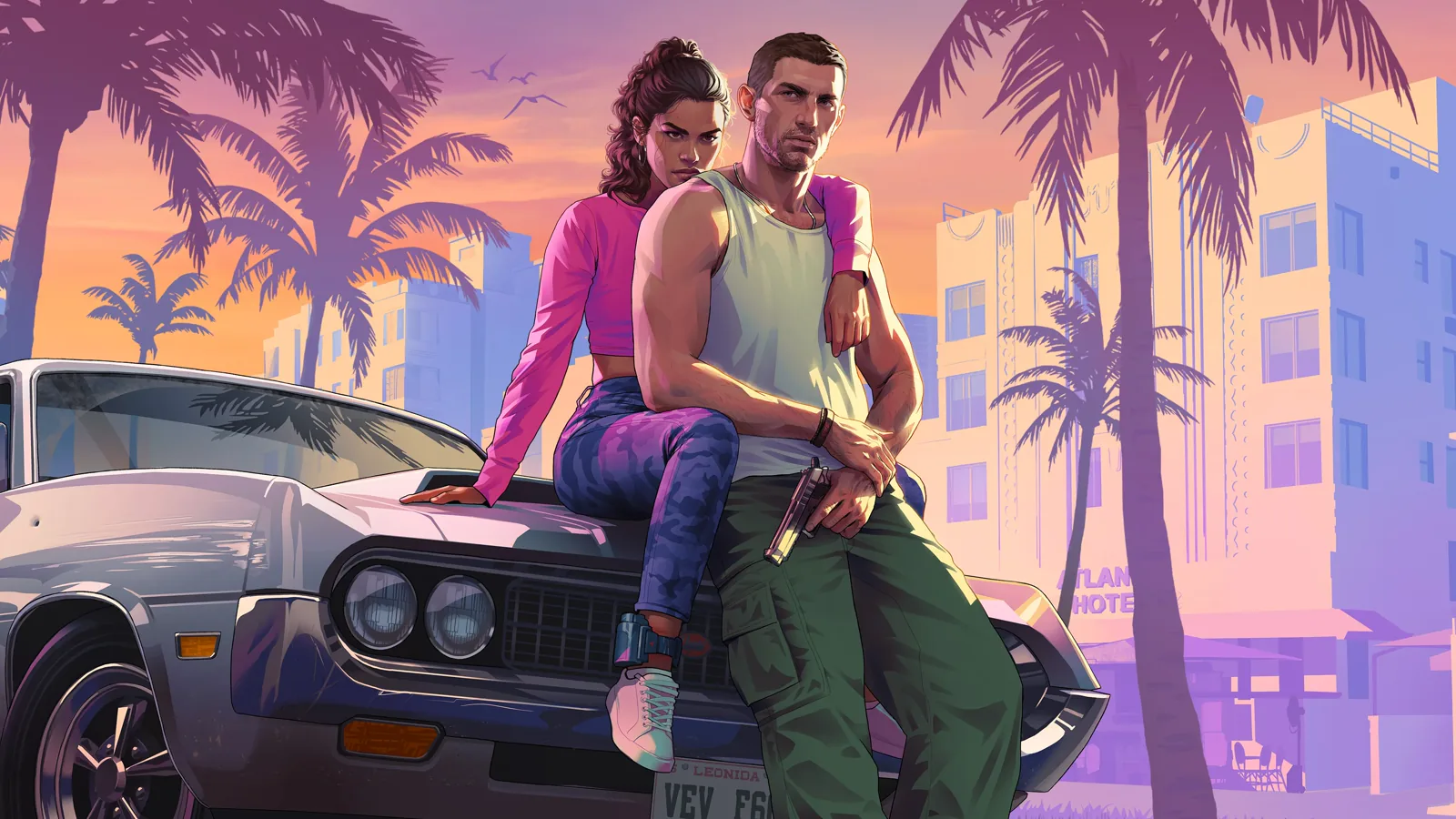
GTA 6 takes place in the state of Leonida, with Vice City as its centre. For roleplay this matters more than for a single-player game: geography decides where factions operate, how long a delivery takes and where a chase ends.
Why the map defines roleplay
- Distances. A large map makes logistics real: trucking across the state takes time, and time is money.
- Territory. Gangs need districts; police need patrol zones. Both depend on the road network.
- Isolation. Remote areas are where illegal roleplay happens — and where backup arrives too late.
- Water and air. Boats and aircraft expand smuggling routes and escape options.
What we know and what we do not
Rockstar has confirmed the setting and shown Vice City and its surroundings. A full interactive map with districts, businesses and faction zones can only be built from the released game. We will publish one after launch, and until then we do not invent district names or coordinates.
How to prepare
Learn the road hierarchy, motorways and coastal routes first — that is what police and criminals both use. Then pick a home district and learn it properly: a character who knows four streets better than the whole map is more useful to a faction than one who knows the map roughly.
See also vehicles and factions.
Reading a map like a roleplayer
Players who know the map well are visibly more useful. Four layers are worth learning in this order:
- The skeleton. Motorways and the main coastal route. Everything else is a detour from these.
- Choke points. Bridges, tunnels, port gates and the roads out of the city. Whoever controls a choke point controls the traffic through it.
- Service geography. Hospitals, police stations, garages, dealerships, fuel. Your character's response time to an emergency is decided by this layer, not by their vehicle.
- Your own district. Four streets you know perfectly beat a whole state you know roughly.
Geography as roleplay pressure
- Distance creates commitment. A meeting an hour's drive away is a decision, and other players can see that you made it.
- Isolation changes behaviour. People behave differently where no help can arrive — that is true in character as well as out of it.
- Regions have economies. A port, a resort and a farming town offer different work, different prices and different gossip.
- Terrain decides pursuits. Wetlands, park trails and dense city blocks each reward a different kind of driver.
What we will publish after launch
- An interactive map with regions, roads and points of interest.
- District profiles: what each area is for, in character.
- Travel-time estimates between the main hubs, useful for planning logistics and for arranging meetings that feel real.
We will build those from the released game rather than from leaks, so they will be accurate when they appear — and until then this page stays honest about what nobody knows yet.